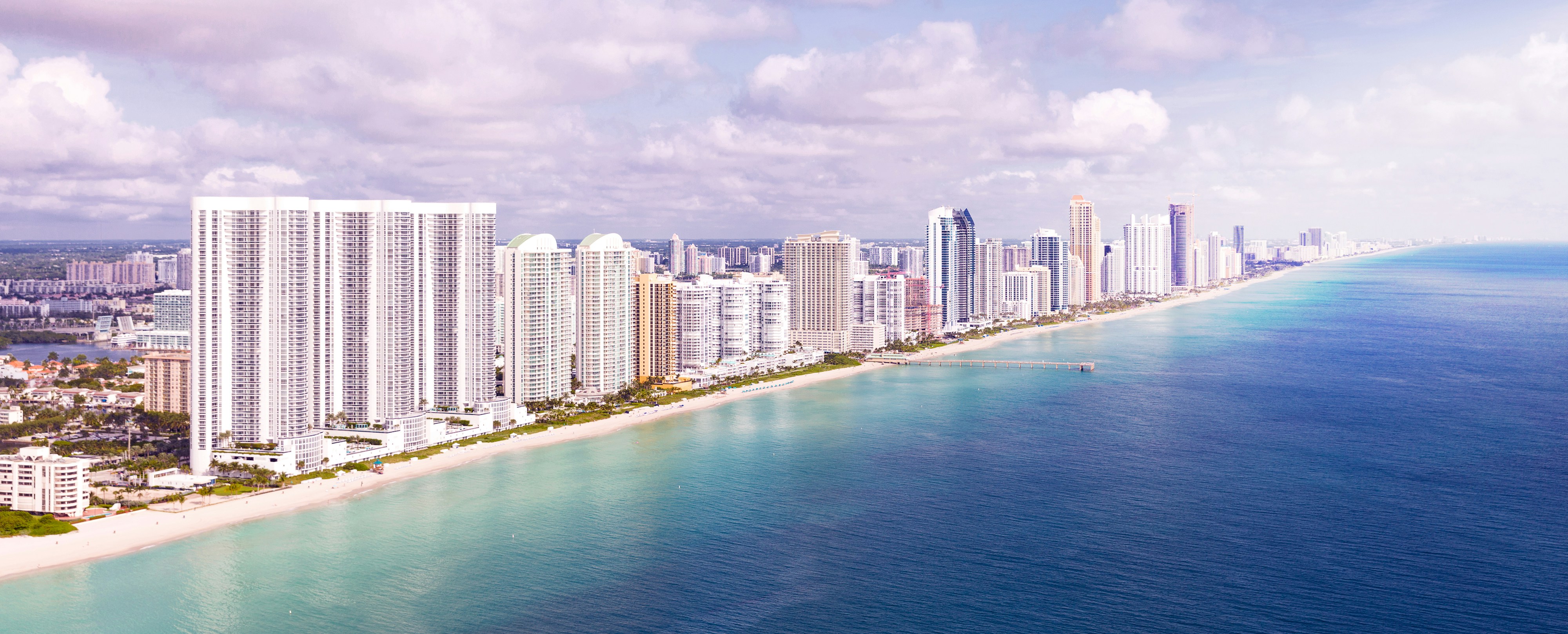
Florida’s condominium market has long been a cornerstone of South Florida living — offering a blend of coastal luxury, convenience, and community. But following several tragic structural failures in recent years, the state has strengthened its condo inspection and safety regulations, fundamentally changing what ownership means in 2025.
These new rules aim to protect residents and restore confidence in Florida’s condo market. Yet, for buyers, sellers, and associations, the updates also introduce new responsibilities that affect property values, insurance, and even closing timelines.
Here’s what you need to know about the 2025 Florida condo inspection laws — and how expert guidance from Natasha Masri and Compass Realty’s Coastal Living Team can help you navigate them.
Why the Law Changed
In 2021, the Surfside condominium collapse drew national attention to the risks of aging coastal structures. In response, lawmakers enacted Senate Bill 4-D in 2022, creating new mandates for building inspections, reserve studies, and repair funding.
By 2025, these laws have evolved again, with updated deadlines, more stringent inspection standards, and enhanced disclosure requirements for both associations and unit owners.
The intent is clear: to ensure that every Florida condo building remains structurally sound and financially prepared for long-term maintenance.
The Core of the 2025 Updates
1. Mandatory Structural Inspections
All condominium buildings that are three stories or higher must undergo “milestone inspections”:
- Initial inspection required at 30 years old, or 25 years if located within three miles of the coast.
- Subsequent inspections every 10 years thereafter.
- Reports must be completed by a licensed engineer or architect and submitted to both local building officials and condo associations.
- This means older buildings in South Florida — particularly in Miami, Fort Lauderdale, and Palm Beach County — are now under tighter scrutiny.
2. Reserve Funding Requirements
Condo associations must now maintain fully funded reserves for key structural components such as roofs, foundations, and plumbing systems. Deferred maintenance is no longer an option.
Starting January 2025, boards can no longer waive or underfund these reserves — a shift that significantly affects monthly association fees and budgets.
3. Disclosure Rules for Buyers
When purchasing a condo in Florida, buyers now receive far more detailed inspection and financial disclosures. Sellers must provide:
- The most recent milestone inspection report
- A reserve study summary showing funding status
- Documentation of pending or planned assessments
This added transparency empowers buyers but can also impact negotiation dynamics if major repairs are upcoming.
Impact on South Florida Condo Owners
For current owners, the 2025 updates mean new financial and administrative obligations. Associations are working to complete inspections and adjust budgets, often resulting in:
- Temporary increases in monthly dues
- One-time special assessments for overdue repairs
- Insurance reevaluations due to revised risk ratings
While these costs can be burdensome, they ultimately enhance property safety — and protect long-term value.
Buyers, meanwhile, are finding more confidence in newer, well-maintained buildings that meet the latest inspection standards.
How the New Laws Affect Buyers
For those considering a South Florida condo purchase, these laws change how due diligence is done:
- Expect more paperwork — inspection and reserve documents are now mandatory.
- Prioritize well-funded buildings — strong reserves indicate healthy management.
- Anticipate higher HOA fees — but view them as investments in structural integrity.
Buyers should also be cautious about buildings that have delayed compliance or received negative inspection findings, as these can affect resale value and financing options.
Opportunities Hidden in the Shift
While some see the 2025 changes as restrictive, savvy investors recognize opportunity. Properties that comply early and maintain clear documentation are likely to appreciate faster than those lagging behind.
Additionally, as older or non-compliant condos face market pressure, buyers may find negotiation leverage or favorable pricing in certain neighborhoods — especially in competitive areas like West Palm Beach, Boca Raton, and Fort Lauderdale.
Working with an agent who understands these nuances is essential to making an informed move.
Expert Insight from Natasha Masri
According to Natasha Masri, a leading Realtor with Compass Realty’s Coastal Living Team, the 2025 condo inspection laws are ushering in a new era of transparency and stability:
“We’re seeing a shift toward long-term responsibility — associations are taking ownership of safety and upkeep, and buyers are more aware than ever of what they’re purchasing. This clarity ultimately builds confidence in the market.”
Masri emphasizes that while short-term costs may rise, the overall impact will be positive — strengthening Florida’s reputation for safe, desirable condo living.
Navigating 2025’s Condo Market With Confidence
Whether you’re evaluating a purchase, selling your unit, or managing an association, understanding these evolving legal requirements is critical. With Natasha’s expertise, you can identify compliant properties, anticipate financial implications, and protect your investment in one of Florida’s most desirable regions.
Work With a South Florida Real Estate Expert You Can Trust
Buying or selling a condo in 2025 requires more insight than ever. Natasha Masri and the Coastal Living Team at Compass Realty provide clients with up-to-date guidance on Florida’s changing condo laws, ensuring every transaction is informed and secure.
If you’re ready to explore opportunities in today’s evolving condo market, connect today.